
Готические соборы
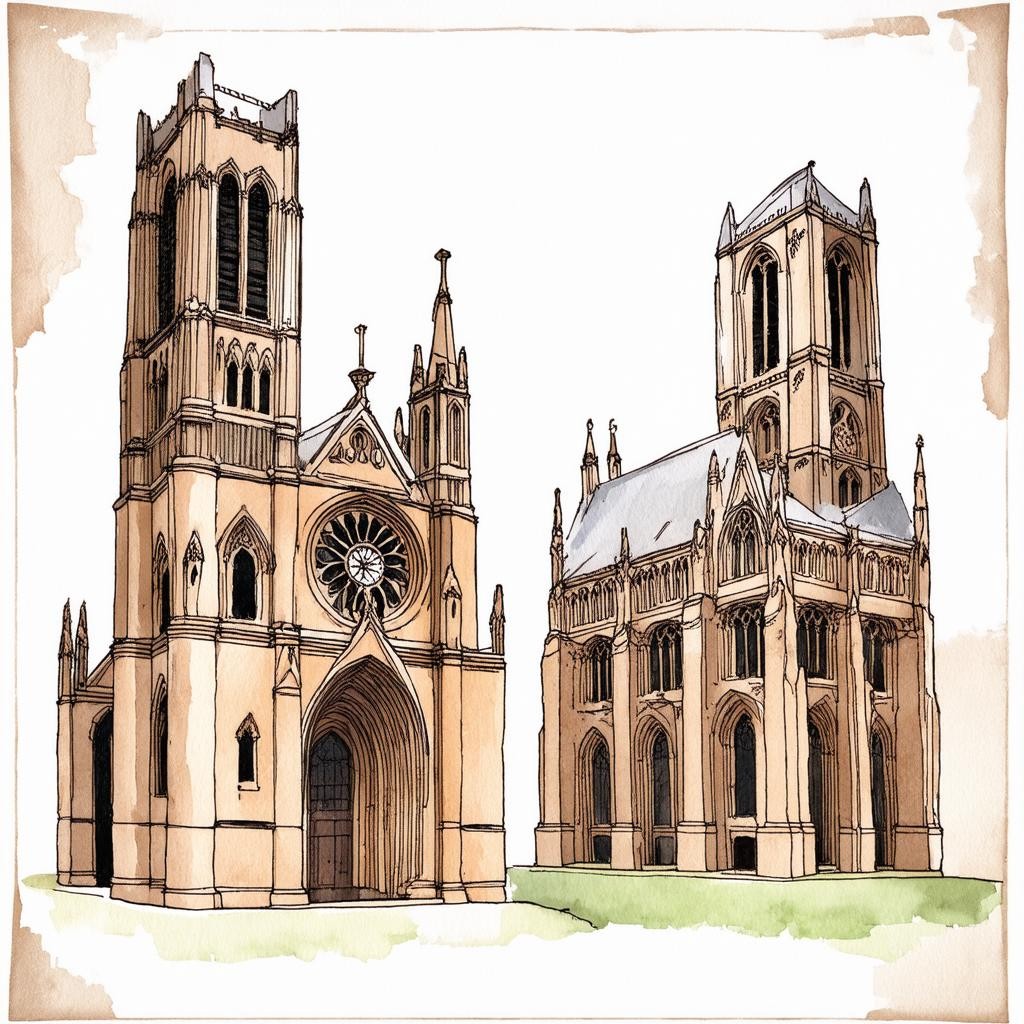
Величественные символы средневековой Европы
Готические соборы представляют собой одни из самых впечатляющих архитектурных достижений человечества, которые до сих пор вызывают восхищение своим величием и красотой. Возникнув в XII веке во Франции, готический стиль быстро распространился по всей Европе, став доминирующим направлением в церковной архитектуре на протяжении нескольких столетий. Эти сооружения не только служили местами религиозного поклонения, но и символизировали могущество церкви, богатство городов и стремление человека к возвышенному. Технические инновации готических зодчих позволили создавать невероятно высокие и светлые interiors, которые кардинально отличались от более массивных и темных романских построек.
Архитектурные особенности готического стиля
Готическая архитектура характеризуется рядом distinctive features, которые делают ее легко узнаваемой. Ключевыми элементами являются стрельчатые арки, которые не только создают ощущение вертикальности, но и better distribute weight compared to rounded Romanesque arches. Rib vaults became another revolutionary innovation, allowing for more complex and higher ceilings. Flying buttresses — external stone supports — enabled architects to create thinner walls and larger windows, which became filled with magnificent stained glass. The combination of these elements created the illusion of weightlessness and directed the gaze upward, toward the heavens.
Эволюция готической архитектуры
Готический стиль прошел through several distinct phases of development over the centuries. Early Gothic (12th century) was characterized by initial experiments with rib vaults and flying buttresses, seen in buildings like the Basilica of Saint-Denis. High Gothic (13th century) reached perfection in balance and proportion, with magnificent examples like Chartres Cathedral and Reims Cathedral. Rayonnant Gothic (late 13th-14th centuries) emphasized decorative elements and enormous rose windows, while Flamboyant Gothic (late 14th-16th centuries) featured elaborate, flame-like tracery and excessive ornamentation. Each period contributed to the evolution of the style while maintaining its core principles.
Самые знаменитые готические соборы Европы
- Собор Парижской Богоматери (Нотр-Дам де Пари) — символ французской готики, известный своими гаргульями, rose window и историческим значением
- Шартрский собор — шедевр высокой готики с прекрасно сохранившимися витражами XII-XIII веков
- Кёльнский собор — крупнейший готический собор в Северной Европе с самыми высокими в мире церковными шпилями (157 метров)
- Реймсский собор — место коронации французских монархов, известный своей гармоничной архитектурой
- Собор в Амьене — эталон высокой готики с самым высоким nave во Франции (42,3 метра)
- Вестминстерское аббатство в Лондоне — пример английской готики с уникальным веерным vaulting
- Миланский собор — крупнейший готический собор в Италии с невероятным количеством скульптур и шпилей
Символика и духовное значение
Готические соборы были не просто architectural marvels but also complex symbolic representations of medieval Christian worldview. The east-west orientation symbolized the journey from darkness to light, from birth to resurrection. The cross-shaped floor plan represented the crucifixion of Christ. Verticality of the structures embodied the aspiration toward God and heaven. Light filtering through stained glass windows was seen as divine illumination, with different colors carrying specific symbolic meanings. Sculptural programs on facades served as "Bibles for the poor," teaching biblical stories to largely illiterate populations. Every architectural element carried theological significance, making the cathedral a comprehensive expression of faith.
Строительные технологии и инновации
Возведение готических соборов было possible thanks to remarkable engineering innovations and organizational efforts. Construction often spanned several generations, with master builders passing knowledge to apprentices. Complex systems of scaffolding, hoists, and cranes were developed to handle massive stone blocks. The use of pointed arches distributed weight more efficiently downward, allowing for greater height. Flying buttresses transferred lateral forces from the roof and vaults to external supports, enabling the creation of vast stained glass windows. The development of precise stone cutting techniques ensured perfect fit of structural elements. These cathedrals became testing grounds for new engineering concepts that pushed the boundaries of what was architecturally possible.
Витражное искусство и освещение
Одной из самых distinctive features of Gothic cathedrals is their magnificent stained glass windows, which transformed interior spaces with mystical colored light. The technology of glassmaking advanced significantly during the Gothic period, allowing for larger and more complex compositions. Windows depicted biblical scenes, lives of saints, and symbolic representations designed to educate and inspire worshippers. The famous rose windows, particularly those at Chartres and Notre-Dame, became masterpieces of medieval art and engineering. The interplay of light through colored glass created an ethereal atmosphere that was intended to evoke the heavenly Jerusalem and provide a glimpse of divine glory, enhancing the spiritual experience of visitors.
Региональные variations готического стиля
Хотя готический стиль originated in France, it developed distinct regional characteristics as it spread across Europe. French Gothic emphasized height, verticality, and structural logic. English Gothic evolved through Early English, Decorated, and Perpendicular phases, featuring longer naves, square east ends, and elaborate fan vaulting. German Gothic often displayed greater height and simplicity of form, with hall churches (Hallenkirchen) having naves and aisles of equal height. Italian Gothic incorporated local traditions, resulting in less emphasis on verticality and more colorful exterior decoration. Spanish Gothic developed unique styles like Isabelline and Plateresque, blending Gothic elements with Moorish influences. These regional variations enriched the Gothic tradition while maintaining its core principles.
Современное значение и сохранение наследия
Сегодня готические соборы continue to inspire awe and serve as active places of worship, tourism destinations, and symbols of cultural identity. Their preservation presents significant challenges due to environmental pollution, structural stresses, and the need for ongoing maintenance. The devastating fire at Notre-Dame in 2019 highlighted both the vulnerability and cultural importance of these monuments. Modern conservation techniques combine traditional craftsmanship with advanced technology to ensure their survival for future generations. These cathedrals remain relevant not only as religious sites but also as masterpieces of human creativity and engineering, attracting millions of visitors who seek to experience their transcendent beauty and historical significance.
Влияние на последующую архитектуру и культуру
Наследие готической архитектуры extends far beyond the Middle Ages, influencing various artistic and architectural movements throughout history. The Gothic Revival of the 18th-19th centuries, sparked by romanticism and nationalism, led to the construction of neo-Gothic buildings worldwide, including the British Parliament and countless university buildings. Gothic elements continue to appear in modern architecture and popular culture, from fantasy literature to video games and films. The structural principles developed by Gothic builders influenced the development of modern skyscraper design. These cathedrals remain powerful symbols of human aspiration and spiritual seeking, their spires forever pointing toward something beyond ourselves, reminding us of the enduring human desire to create beauty that transcends practical necessity.
Добавлено: 23.08.2025